Most business claim security issues. Less treat it as a daily method. The difference appears not in posters or policies, but in the first two mins after someone breaks down in a meeting space, insinuates the warehouse, or has an asthma assault on a client website. Those initial mins come from coworkers, not ambulances. Corporate first aid courses close that void, turning bystanders right into initial responders and plans right into foreseeable action.
I have actually led programs in workplaces, logistics centers, restaurants, laboratories, and building websites. The pattern holds across fields: where first aid training is regular, occurrence outcomes boost, minor injuries stay small, and individuals speak out previously about threats. Culture adjustments when the skill is common.
What first aid training looks like inside a business
A good first aid course passes book situations and asks, what really occurs here? In a financing firm, the emphasis may lean on cardiac events, fainting, and allergies at catered occasions. In a factory, it is extra regarding lacerations, crush injuries, eye contamination, warmth anxiety, and electrical occurrences. A cooking area requires burns and blade injuries front and center. One dimension does not fit any person really well.
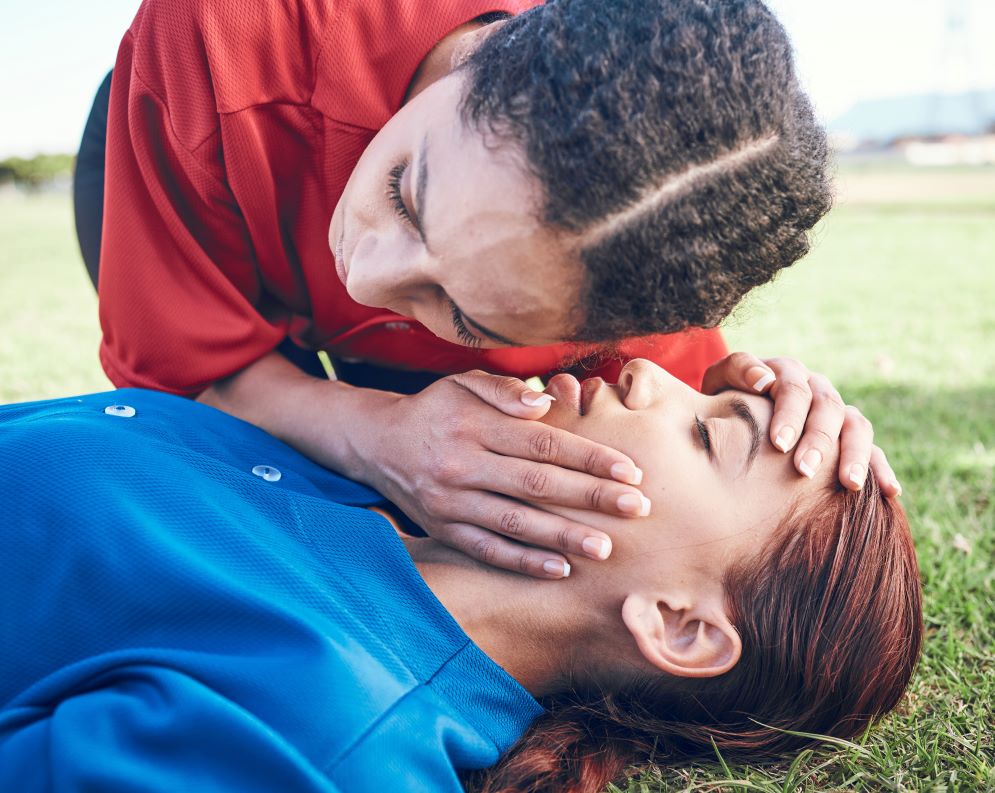
Core material is stable because the body is steady. People find out scene analysis, hazard control, how to call for aid effectively, and the key survey: responsiveness, air passage, breathing, flow. They exercise CPR training on adult manikins, include pediatric modules if there are on-site child care or household days, and find out how to make use of an AED with self-confidence. They take care of choking, significant bleeding, shock, seizures, anaphylaxis, and stroke recognition. The fundamentals do not take lengthy to describe, yet they take repetition to really feel natural.
Time matters. Most service providers run a full-day first aid and CPR course for new personnel, after that shorter refreshers annually or every two years relying on territory. A CPR correspondence course that runs 90 to 120 minutes can re-anchor excellent practices and correct drift. Fifteen minutes of AED technique per session suffices to maintain that muscle memory obtainable under stress and anxiety. Organizations that treat refreshers as non-negotiable upkeep, the method they treat forklift licenses or confined-space permits, see better performance when the room obtains loud and messy.
Certification matters as well. A first aid certificate is ineffective if regulators do not acknowledge it or if the get in touch with hours are inadequate. Choose a carrier with recognized first aid courses tied to present standards from acknowledged bodies. If your groups travel, check reciprocity across states or countries.
The mathematics that encourages cynical managers
Executives ask for numbers, and they are right to do so. Take a look at three buckets.
First, survival odds. Early CPR more than increases the possibility of survival from unexpected cardiac arrest in public settings. When an AED is applied within three to 5 minutes, survival can improve severalfold contrasted to later on shocks. Workplaces are not arenas, but the physiology coincides. Without immediate treatment the mind begins to suffer injury within mins. Every trained associate tightens that gap.
Second, injury severity and lost time. In my experience assessing incident logs for a logistics client, trained staff lowered lost-time injuries by about 15 percent year over year after rolling out shift-based first aid training and CPR courses. It was not magic, mainly much better blood loss control, rapid cooling of burns, and faster transfer to proper treatment. The near-miss coverage also enhanced because experienced people noticed risks earlier.
Third, insurance policy and conformity. Some jurisdictions require a minimum ratio of qualified very first aiders to staff or to flooring room. Disobedience fines vary, yet I have actually seen five-figure fines for repeat culprits. Insurance firms favor recorded training, appropriate first aid packages, and AEDs on-site with proof of maintenance. Renewal negotiations have a tendency to go smoother when risk managers can point to first aid and CPR training programs with measured coverage.
Add the soft returns: staff member confidence, company brand, and the signal that individuals matter. Those are hard to price yet easy to feel.

Choosing the appropriate training companion without purchasing a logo
A brand name on a certification helps, but shipment high quality carries the day. I seek a few functional signals. The most effective carriers, whether nationwide attires like First Aid Pro or regional trainers with deep sector experience, start with a diagnostic, not a sales deck. They ask about your layout, change patterns, previous cases, medical disclosures, website limitations, and language needs. They walk your floor. They adjust content to the real dangers you carry.
Trainers with real field time adjustment outcomes. A facilitator who has actually handled a seizure on a factory floor instructs placing, privacy, and dignity with vivid detail. Somebody who has treated a chemical eye splash will certainly insist on walking to the eyewash and running it, not simply talking about it. When you speak with trainers, request for particular stories where training made a distinction for a client. Vague platitudes are a caution sign.
Practical ratios issue. Ten students per trainer is a wonderful place for hands-on practice with manikins and practical circumstances. I avoid classes above 16 unless they split terminals and bring an assistant. Ask the amount of AED fitness instructors they bring, the number of wrapping kits, just how they disinfect manikins, and how much time each learner jumps on compressions. If they can not answer with numbers, keep looking.
Scheduling informs you if they recognize a labor force. Excellent companions will supply pre-shift sessions, night alternatives, mixed modules where concept relocates online and practice happens in person, and walk-in CPR courses for tiny teams. They will aid you track who needs a refresher before certificates Continue reading lapse.
Mapping training to risk, not hopeful thinking
Start with specific risks. A business office with client conferences, a health club, and a café might consider heart events and choking in advance of distressing injuries. An information facility adds electric risk and restricted aisles. A laboratory adds chemical burns and inhalation exposures. A warehouse stresses over orthopedic pressures, crush injuries, and warm exhaustion.
Site walk-throughs shape circumstances. Place a live situation in the products elevator area, at the function desk, and in a break area. Exercise the 30-second sprint to get the nearest AED from your real cabinet. Time the length of time it takes to get from the much corner of the building to the main entry with a wheelchair. The first run will certainly surprise you. The secondly will cut minutes.
Policy placement stays clear of confusion. If your safety group need to be notified before calling emergency services, cook that into the drill with a clear exception for life hazards. If you have on-site registered nurses, define when colleagues begin CPR and when medical team take over. When policies and training differ, individuals freeze.
Building insurance coverage without shedding people out
You desire skilled individuals within shouting distance of any type of occurrence. That suggests thinking in layers.
At minimum, each floor and each workplace with unique dangers should have at least two qualified first aiders on every change. 2 is not repetitive, it is sensible. One can fetch the kit or AED while the various other takes care of the patient. If you have swing changes, service providers, or peak seasons, broaden the internet. In storehouses with several mezzanines, train for every level.
Spread the skill. Depending on a single "best individual" is vulnerable. Vacations, turnover, and ill days happen. Educating five percent of personnel is a sensible beginning point for low-risk workplaces. Dual that for higher-risk atmospheres. In a telephone call facility with 300 personnel across three floorings, that could imply 15 to 30 people skilled and current, with names and pictures uploaded on internal channels.
Keep lineups present. Make use of a simple tracker lined up with human resources systems to flag refresher courses due in the next 60 days. People transform groups and locations. If the educated individual on the 3rd flooring moved last quarter, your coverage map is fiction.
What excellent method seems like on the ground
On a Tuesday afternoon, a colleague drops throughout a group briefing. Two people relocate at once. One checks responsiveness and shout-breathing, the various other indicate a named person, not the space, and states, "Sam, call emergency situation services, bring the AED from the reception closet." Compressors switch every 2 mins to decrease exhaustion and maintain deepness constant. Someone keeps time. Somebody opens up the lift for the paramedics. No person says concerning whether to continue compressions when gasps appear, experienced individuals have seen agonal breathing prior to and do not perplex it for recovery. The AED arrives and is utilized without discussion. Documents begins once the individual is handed over. Later, there is a debrief that is functional, not punitive.
That scene does not need heroics. It needs quiet competence across a handful of individuals and a format that supports them: noticeable AEDs, clear signage, a clean course, reaction sets that are equipped and examined. It additionally calls for repetition. The very first time you put an AED pad, you will certainly stumble. The third time, your hands locate the motion without conscious thought.
Equipment, positioning, and upkeep that endures 3 a.m.
Kits and AEDs do not conserve any individual on their own. They do aid educated people do far better work.
For kits, suit components to the setting. Offices need high quality gloves that fit different hands, injury shears, various dressings, triangular plasters, saline for eye rinsing, burn gel pads if heat resources exist, and a pocket mask for rescue breaths if your protocol includes them. Include glucose gel for well-known hypoglycemics only if your clinical administration allows it. Tag racks and areas. When stress spikes, labels reduced search time.
For AEDs, select devices with clear voice prompts, pads with adult and pediatric capacity if youngsters check out, and electrodes with shelf lives that are very easy to track. Area devices where foot traffic is greatest and reaction courses are quickest: reception, primary corridors, near stairwells between floorings. In big websites, go for a three-minute round-trip stroll at typical pace. Glass-front cupboards minimize search time. If alarms on closets prevent misuse, fine, however avoid systems that are so loud staff are afraid to educate with them.
Maintenance should be monotonous and regular. Batteries and pads end on predictable timetables. Tie checks to existing facility rounds. Log each check, and make use of a common dashboard so a missing out on pad turns red and a person is accountable within 1 day. Do the exact same for first aid kits. An empty box with an environment-friendly cross is even worse than absolutely nothing, it types false confidence.
Legal responsibilities without legalese
Regulations differ. Common threads include an obligation to give ample first aid tools, personnel, and facilities based on a risk evaluation. Some regions specify a minimal variety of trained first aiders per worker matter, others per floor or first aid courses Rockhampton per change. Many require a document of injuries and treatment, safe and secure storage space for any kind of medical documents, and clear signs suggesting first aid provisions.
When you operate across https://pastelink.net/ee3cu0t7 borders, standardize to the strictest common denominator to keep operations simple. Train people to the higher standard and record to that level. Keep copies of first aid certificates on data, with expiry days emerged in your discovering monitoring system. Throughout audits, the absence of documentation is treated the like the absence of training.
Workers with disabilities or certain medical conditions are entitled to thoughtful planning. Discretion precedes, but sensible accommodations can include available discharge chairs, staff notified on exactly how to help throughout a seizure if the individual approvals, or training safety and security on epinephrine auto-injector use where allowed. Approach this with respect and lawful guidance.
Why refresher courses are not optional
Skills discolor. Compression depth softens. Price wanders. Confidence rots faster than memory, and the very first blunder is doubt. I track performance metrics in refresher sessions: compression depth and rate from responses manikins, time to AED pad positioning, time to initial shock, and interaction clearness. The variance broadens after about 12 to 18 months. A brief CPR correspondence course resets the standard.
Refresher web content ought to be vibrant. If you have had three choking cases at catered town halls, hang around on effective stomach drives and back blows, and reveal what to do if the person is pregnant or in a mobility device. If you introduced brand-new machinery, method entrapment basics and hemorrhaging control. If your building layout transformed, update AED places and drill the brand-new routes.
Culture steps with tales, not slogans
Posters are great. Individuals pick up from people. When a staff member utilizes their training to help a coworker or a site visitor, tell the tale with authorization and level of sensitivity. Identify the -responders. Do not make them into martyrs or subject-matter specialists for life, yet do mark the minute. That acknowledgment takes a trip better than a conformity memo.
Leaders version priorities with their schedules. When a vice president sits through a first aid and CPR course with their group, attendance jumps following quarter. When line managers safeguard time for refreshers instead of squeezing them in between target dates, team notice. When safety and security minutes at the start of conferences revolve with actual micro-lessons, not just statistics, people stay engaged.
Language issues. Drop the concept of "the safety and security person." Change it with "our security practice." When every person believes they can act, even more individuals do.
Handling side instances without overcomplicating the plan
Not every situation is neat. Here are a couple of patterns that deserve thought before they happen.
Multiple casualties stretch a tiny group. Triage basics issue. In training, go for the very least one drill where the first aider need to choose that needs instant interest and that can wait. Provide consent to telephone without asking a manager first.
Remote or lone employees change the equation. If people travel or work off-site, adapt with mobile packages, check-in systems, and training that stresses self-care till help shows up. Instruct them how to assist emergency services to an area with sites, not simply an address, and just how to share what3words or general practitioners works with if that is the method in your region.
Language and accessibility obstacles are genuine. In multilingual teams, train bilingual initial aiders and carry straightforward pictogram overviews in sets. In loud atmospheres, hand signals beat shouted instructions. Practice them.
Panic spreads. Train a spectator duty. Someone can handle the group, maintain room clear, and reroute phones. In three separate incidents I have seen, this role maintained self-respect and provided the very first aider area to work.
A simple, sturdy rollout plan
Here is a streamlined pathway that mixes rate with staying power.
- Run a short, concentrated risk evaluation by area. Map likely incidents, existing kit and AED positioning, and personnel distribution by shift. Select an accredited partner straightened to your threats. Pilot a first aid and CPR course with one department and procedure hands-on time, student confidence, and sensible fit. Build a protection map with named people per floor and shift. Publicize how to reach them, and fill their contact cards in internal directories. Install or justify AEDs and first aid sets to strike a three-minute round-trip objective. Set upkeep tempo linked to existing center checks. Schedule refresher courses and circumstance drills for the year. Track certifications, commemorate genuine uses of abilities, and tune content to case trends.
Beyond compliance: the everyday payoff
When individuals practice first aid with each other, they discover more than compressions and bandaging. They get comfortable touching a shoulder and asking, "Are you all right?" They find out to speak clearly during anxiety, to pass on, to change roles without ego. These are administration abilities disguised as emergency skills. Teams that educate in this manner typically take care of other shocks with more steadiness.

I keep a mental ledger from the last years. A receptionist who recognized stroke indicators within minutes and reduced the timeline to clot-busting therapy. A line worker that stopped an arterial bleed with a tourniquet from a set that had been inspected the week prior. A centers manager that ran a debrief that concentrated on what went right, maintained the group undamaged, and boosted the design within a week. Each tale is small in the telling and substantial in the life it altered.
If you are choosing where to place following quarter's operational dollars, put a few of them into first aid training. Buy time with CPR training and an AED that team can locate with their eyes closed. Spend for a first aid and CPR course that seems like your work environment, not a common classroom. Maintain the certificates present. Then, let the society do the remainder. People intend to aid. Provide the skill, the tools, and the approval, and they will.